
The most frequently asked question about these treatments is whether you can perm your hair after it has been rebonded, and vice-versa. You can, but wait at least six months between treatments.
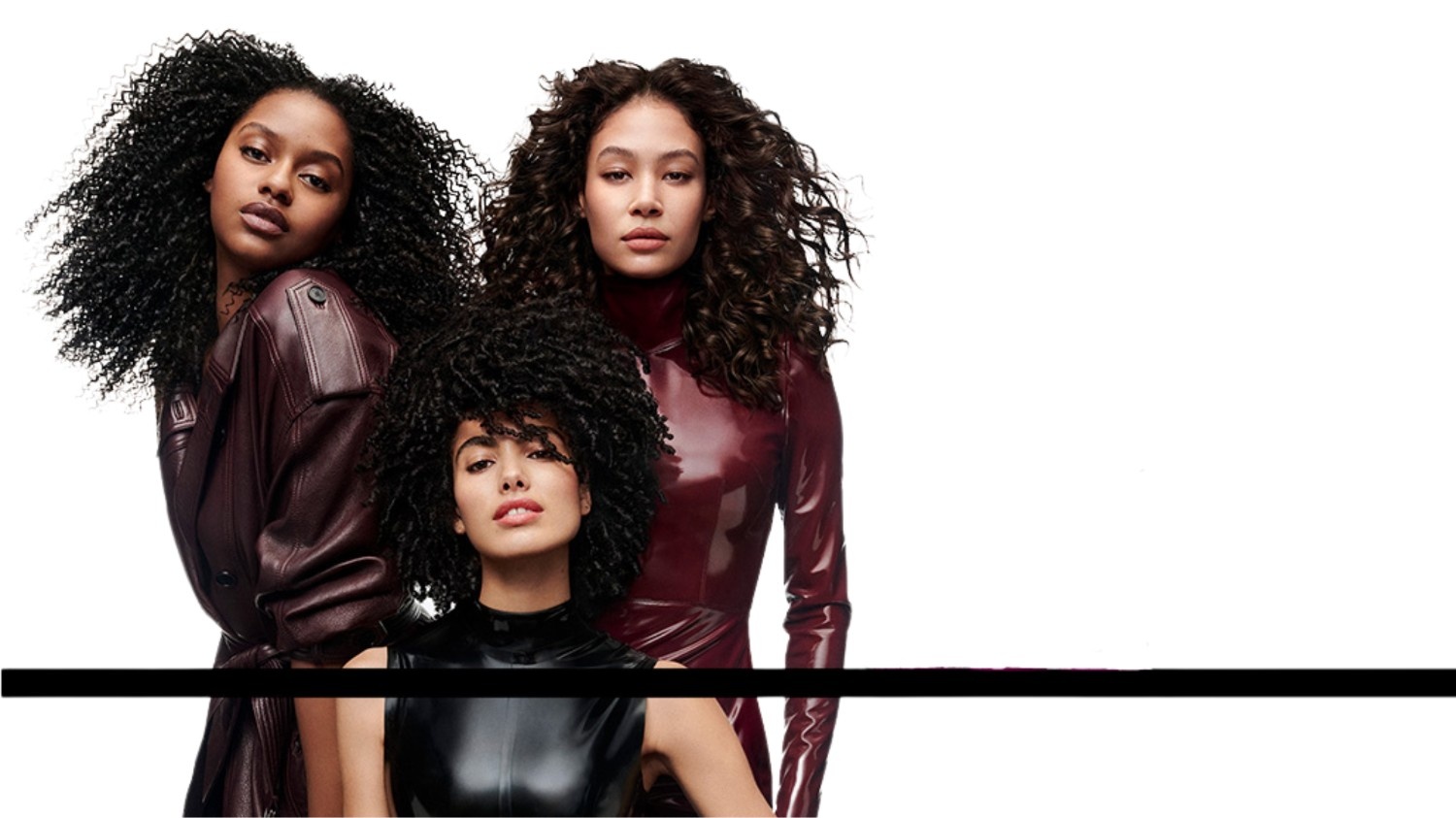
Hair rebonding and perming are two opposite approaches to hair styling – one offers a straight-up simple but elegant look, and the other adds bounce and vitality to your personality through textured curls. However, these techniques have one thing in common – they are both chemical treatments that alter the natural bonds in your hair.
If you want a radical makeover or just want to tweak your look even a little, these styles could be perfect for you. But how would you know which one suits you? And how exactly do these hair treatments work? Don’t worry, we’ve got you covered! Here’s all you need to know about hair rebonding and perming to make an informed choice.
What Is Hair Rebonding?
Rebonding is a chemical treatment that straightens your hair – and we mean poker straight. It also gives your hair a sleek and super-shiny look. It’s called ‘rebonding’ because the treatment breaks down the natural, hydrogen bonds in the keratin molecules in your hair and realigns them, resulting in its signature pin-straight finish. Rebonding is a great solution for people who want a change from frizzy or unmanageable hair.
Benefits of Hair Rebonding
Long-lasting: No more frequent visits to the salon to straighten your hair or using a hair-straightening brush. Rebonding lasts for months.
Frizz-free hair: Rebonded hair stays straightened in humid climates.
Low-maintenance: Hair that is rebonded does not require you to use a lot of styling products.
But it’s not entirely fuss-free. Make sure you stylist is a qualified professional because rebonding can weaken your hair if not done properly. For instance, over-processing or using the wrong products post-treatment can damage your hair.
What Is Perming?
Perming creates curls, either soft waves or tight curls. Just like rebonding, this treatment too uses chemicals to break down the natural bonds in your hair, allowing it to be reshaped into curls or waves.
Benefits of Perming
Adds volume: A perm gives hair body and bounce. It lends a certain vivacity.
It’s versatile: Perming can give you loose waves, ringlets or a really curly look.
Customisable: With different curl sizes and styles to choose from, you can create your own personalised look.
Again, just like rebonding, you want a certified essential who understands the process. And here’s a definite no-no – never quickly follow a rebonding with a perm. This Quora discussion will tell you what the ideal wait time is between these two treatments.
Rebonding vs Perming: How to Choose
The treatment you choose depends on the look you’re going for and your hair type.
For straight, smooth hair: If you crave sleek and straight locks that are easy to manage, opt for rebonding. It’s an awesome choice if you want a change from frizzy or curly hair.
For curly or wavy hair: If you’re looking for volume and texture, perming is perfect. It will give your hair extra bounce by adding tight curls or loose waves.
Maintenance: Both treatments are low-maintenance but, remember, we didn’t say ‘no’ maintenance! Rebonding requires a little more care than a perm does. Avoid heat damage and make sure you apply the right hair products. Perms also need some special care. Pay attention to hydration and styling.
Aftercare Tips for Both Treatments
Regardless of the look you choose, post-treatment care is crucial to maintaining the health and look of your hair.
Use sulfate-free shampoos: They are gentle and suitable for chemically treated hair.
Deep conditioning: Rebonded and permed hair needs to be hydrated, so deep conditioning treatments are highly recommended.
Avoid heat styling: Since both treatments alter the natural structure of your hair, heat styling can cause damage. You can air-dry your hair or use heat protectants but we don’t recommend it.
4. Regular trims: Rebonded and permed hair needs to be trimmed regularly, but which hair style doesn’t? Trimming keeps your hair looking fresh and removes split ends.
Can You Rebond or Perm After Rebonding?
The most frequently asked question about these treatments is whether you can perm your hair after it has been rebonded, and vice-versa. You can, but wait at least six months between treatments. This gap allows your hair to recover from the treatment and minimises the chances of damage.
Final Thoughts
Both hair treatments can offer stunning makeovers, whether it’s silky straight hair you’re after or bouncy curls. Remember to choose a style that suits your hair type and lifestyle. Also, proper aftercare is a must to keep your locks looking gorgeous.